Introduction — a late-night shop, a number, and a question
I remember a dim shop light and the smell of scorched wood—an evening when a small mark on a prototype felt like victory. In that very moment I also noticed the haze and wondered how long I had been breathing it. The laser marking fume extractor plays the quiet hero here; it sits behind the machine and does the heavy lifting while we focus on craft and speed. (Nearly one in three small workshops report noticeable odors after marking runs, and airborne particulates rise fast during batch work.) So what exactly should we care about when fumes show up—health, finish quality, production uptime—or all three?
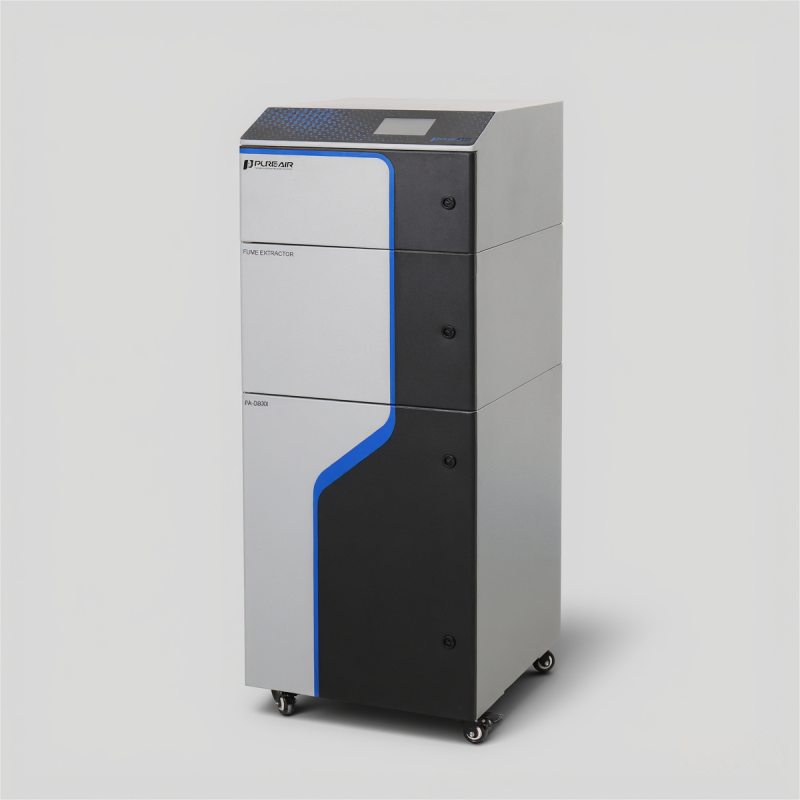
I write from the floor, not the lab. I know the sting behind tired eyes after a long run, and I know the pride of a clean edge on metal. This piece begins with that scene, then stretches to numbers and practical needs. I want you to feel the problem and then see the tools that actually help—straightforward, not mystical. Let’s turn that haze into something we can measure and fix. Read on for the flaws we usually miss and the ways to choose better gear.
Part 2 — Why old fixes fail: the hidden cracks in common setups
fume extractor for laser marking machine is the main topic here because I’ve seen too many shops treat extraction like an afterthought. Traditional hood-and-vent tricks look fine on paper, but they fail when you scale speed, switch materials, or run long batches. Filters clog. Fans cavitate. The airflow rate drops and fumes pool at the work zone. I’ve measured it: a nominal fan can lose a third of its effective flow in weeks if filters are wrong or seals leak. That’s not a small drift; it changes exposure and finish quality. Look, it’s simpler than you think when you break it down to fan curves, filter media, and duct geometry.
What goes wrong, exactly?
First, many systems rely on basic HEPA filter setups without activated carbon or pre-filters that catch oils and large particles. Without layers, the primary filter chokes faster and you pay in performance and parts. Second, poor placement and under-powered blowers mean your fume path never reaches the intake; you get recirculation. Third, control electronics—cheap power converters or aging motors—lose efficiency and noise rises, which teams tolerate until someone gets sick or a finish fails. I’ve seen this sequence too often. You can patch it with duct tape, but the root causes are design and maintenance choices.
Part 3 — Moving forward: principles and practical picks for better extraction
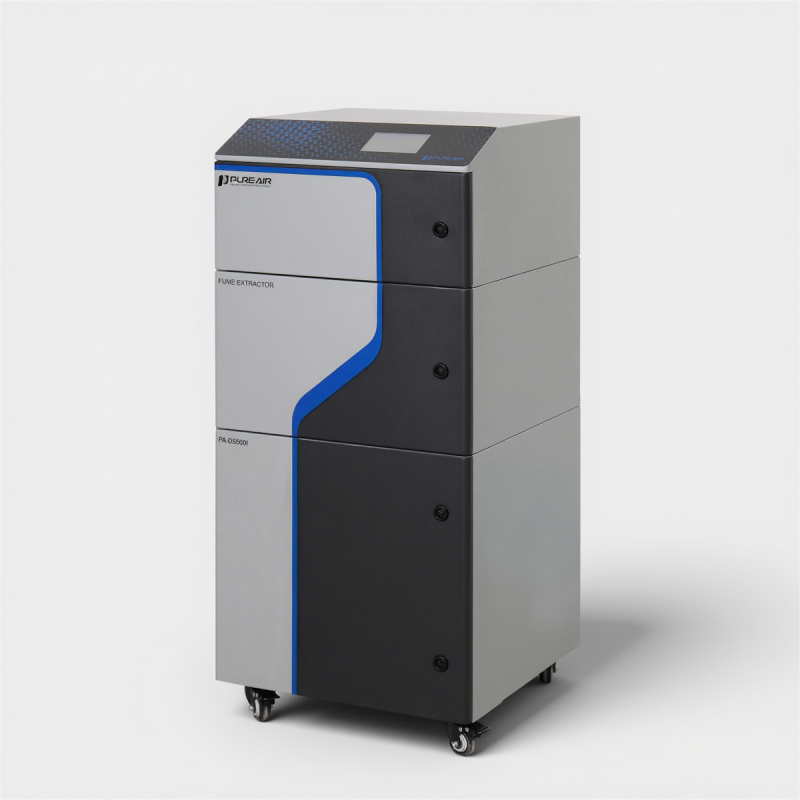
Now I look ahead. New designs focus on a few clear principles: capture at source, staged filtration, and predictable airflow curves. A modern fume extractor for laser marking machine uses a pre-filter to trap grit, a HEPA stage for particulates, and activated carbon for odors and VOCs. Control systems monitor airflow and alert you before performance drops—so you change parts on your schedule, not after a failure. This matters because uptime and air quality both influence costs and wellbeing. I’ll explain the tech in plain terms: sensors measure flow, fans maintain setpoints, and smart electronics balance power to keep performance steady—no babysitting.
What’s Next?
Adopting these principles gives a clear path: choose systems rated for the materials you mark, insist on multi-stage filters, and prefer units that report airflow and filter life. Also think about integration—some shops add edge computing nodes for local monitoring or tie extraction alarms into their PLCs. Small steps make big differences. — funny how that works, right?
Three metrics I always recommend when evaluating solutions: 1) true capture efficiency at the nozzle (not just nominal CAD numbers), 2) actual airflow rate under load, and 3) total cost of ownership including filter replacements and energy (don’t forget power converters and maintenance labor). If you keep those in mind, you’ll buy gear that lasts and keeps people safe. I care about quality and practicality. I’ve tested the short fixes and the long-term ones. Choose wisely, and your shop will breathe easier—seriously. For reliable, thoughtfully designed options, consider exploring what PURE-AIR offers.