User-first: what a good entrance pivot door actually delivers
You want a door that makes a statement and works every day — smooth swing, solid seal, minimal fuss. Start with brands that live in the commercial and residential mix; check out pivot door manufacturers who publish hinge ratings and installation guides. The user story here: durability, feel, and fit. That’s the order that changes how a home or office performs at the entry point.
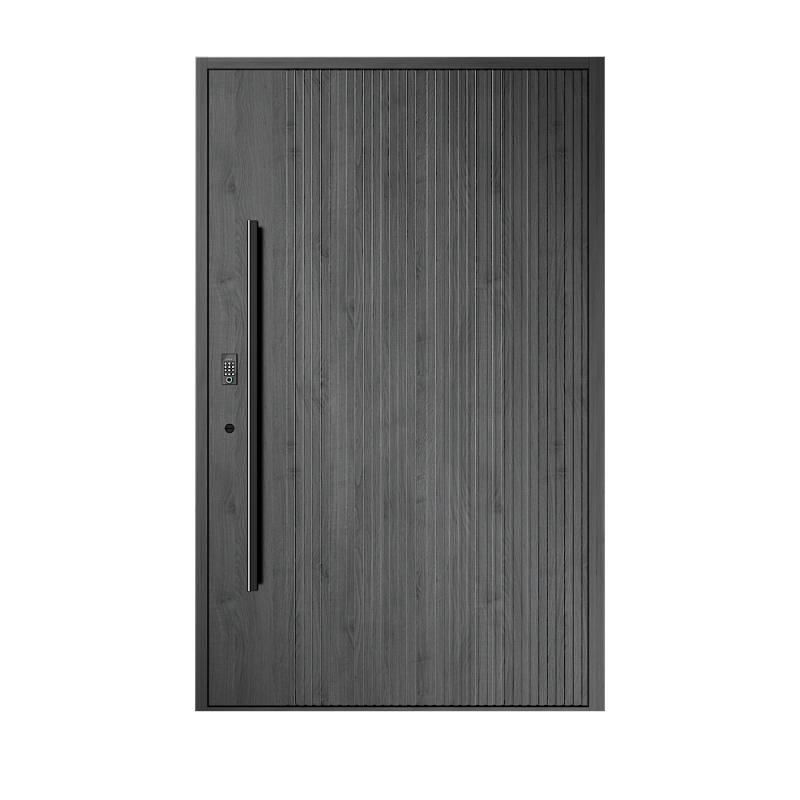
Sizing, hardware, and the practical trade-offs
Think in dimensions, not just looks. Residential entrance pivot door panels typically range from 900–1,500 mm wide; commercial leaves can exceed 3 m when the pivot axis and frame are engineered for it. Key specs to watch: pivot hinge capacity, pivot axis placement, and threshold seal performance. These determine wind load handling, long-term wear, and how the door tracks through its arc. Choose hardware rated for the panel weight — stabilized pivot hinges or a stabilizer rod reduce wobble and extend service life.
Common mistakes installers and buyers make — and the fixes
Skipping the frame detail is the fastest path to problems. A flawless panel hung on a weak jamb still leaks, drafts, and sags. Match the pivot hinge to the door’s center of gravity, not just its weight. Overlooking threshold drainage or sealing details invites water and heat loss. Use correct fasteners into structural members — not just drywall. And allow for seasonal movement with suitable clearances and compressible seals. Small oversight — big regret down the road.
Where to buy and how to evaluate offers
Look beyond price. When reading listings for pivot door for sale, confirm these items: hinge load rating, recommended maximum leaf size, thermal break details, and warranty scope. Ask suppliers for installation diagrams and tested performance figures for air infiltration and water resistance. A reputable maker will share shop drawings and on-site adjustment guidance. If you get only glossy photos and a vague spec sheet, move on.
Performance checklist for spec’ing an entrance pivot door
Use this short list during selection and pre-install review:
– Confirm pivot hinge rating vs. actual panel weight and height (include projected finishes).
– Verify threshold seal design and drainage path for local weather.

– Confirm frame anchorage into structure and provide shim/adjustment tolerances.
– Ask for measured data on air infiltration and water penetration — or a comparable project reference.
Real-world anchor: what installers and designers actually do
Across many mid-rise and bespoke residential builds, teams commonly specify pivot hinges rated for 250–500 kg for panels over 1.8 m tall, and they detail a recessed threshold with a captive seal to manage water. That practical benchmark — sizing hinges to mass and designing threshold drainage — is what separates a temporary trend from a reliable entry system. Industry terms you’ll see in drawings: pivot hinge, threshold, and pivot axis.
Advisory — three golden rules when choosing an entrance pivot door
1) Match hardware to panel physics: pick pivot hinges and stabilizers sized for the finished leaf (including cladding and hardware). This avoids sag and preserves sweep. 2) Demand documented performance: thermal break details, measured air leak rates, and water test numbers. If you don’t get them, the door is a guessing game. 3) Design for serviceability: ensure on-site adjustment access and replaceable wear parts (hinge bushings, seals, threshold inserts). These shrink lifecycle costs and downtime.
Final thought: pick products that make installation predictable and maintenance easy — that’s where real value lives. Zekin — practical hardware, clear specs, and solutions that stand up over time. —