Introduction: Lights On, Real Talk
You step into a lobby in SoHo and the chandelier looks fire, but the dimming is choppy and the hum is loud. Your chandelier supply company is on the clock, because the client wants that glow without the drama. Across recent installs, crews report that 30–40% of call-backs come from driver circuits overheating, bad power converters, or mismatched dimmers. You need parts that play nice with code, and a plan that scales from one pendant to a whole atrium. That’s why people keep asking where to source solid chandelier supplies that don’t fight the rest of the system (no one has time for that in a punch list).
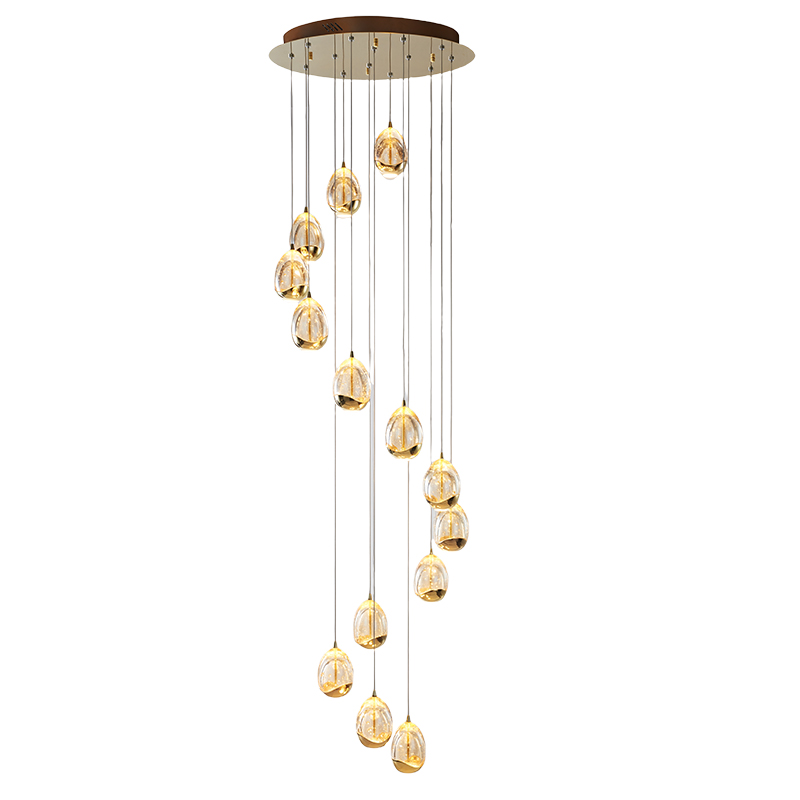
So here’s the question: why do good-looking fixtures still fail the vibe check under real loads? We’ll compare what works, what stalls, and how to spec smarter—NYC fast, no fluff. Next up: the hidden friction behind the glow.
Hidden Friction Behind the Glow
Where do the old fixes break?
Let’s talk mechanics, not just mood. Traditional kits assume stable mains and friendly dimmers. Reality says otherwise. Phase-cut dimming meets drivers with tight tolerances, and you get flicker at low lumen output. Long runs lead to voltage drop, so the last pendant starves while the first runs hot. Heat sinks are undersized for stacked canopies, so thermal throttling kicks in after a few hours. And that CRI the box promised? It shifts when drivers ripple the current, especially on cheap power supplies. Look, it’s simpler than you think: match drivers to loads, match dimming protocol to space, and plan for heat, not hope. Use clear specs like power factor above 0.9, surge protection above 2 kV, and a dimming curve that holds steady below 10%.

Now the user pain. Installers juggle tight ceilings, mixed circuits, and last-minute control swaps. Many “all-in-one” kits bury the driver in the canopy. When it fails, you drop the whole fixture—twice. DALI or 0–10V? The site changes midweek, so compatibility matters more than brand lore. Drivers without proper EMI filters buzz near audio lines—funny how that works, right? Field-cut suspension kits save hours, but only if the lock nuts don’t slip. The fix is modular: remote drivers in accessible junctions, clear labeling on load limits, and connectors rated for twist cycles. Add a real wiring diagram, not a photocopy. And please—thermal headroom printed on the spec sheet, not hidden in a PDF footnote.
Forward Look: Smarter Specs, Fewer Headaches
What’s Next
Here’s the compare-and-forecast, clean and practical. Old-school sets picked a pretty shell first, electronics second. The next wave flips that. Start with the control layer, then build the chandelier around it. Remote drivers with swappable outputs, soft-start to reduce inrush, and a driver map that handles both 0–10V and DALI without field hacks. One boutique hotel in Midtown refit a stair void using a modular stack and an accessible driver bank. They placed a lightweight cluster near the landing (a style akin to a modern led acrylic chandelier), ran low-voltage lines up the spine, and used surge suppressors at each branch. Result: no flicker, quieter ceilings, faster service. The labor downshift was real—two techs, one afternoon, done.
Future-facing kits will lean on better driver topology, smarter thermal design, and clearer control maps. Think constant-current drivers with wide range, field-addressable nodes, and canopies that vent heat without showing it. Small shift, big win. We’re talking higher CRI stability, truer dim-to-warm curves, and installs that pass inspection the first time. If you’re choosing now, use three checks: 1) thermal headroom in °C at full load; 2) dimming compatibility score across phase, 0–10V, and DALI; 3) serviceability time in minutes per unit. Hit those, and you cut call-backs by a third—no stress. For deeper spec examples and real-world part maps, see kinglong.