Start with what you need to achieve
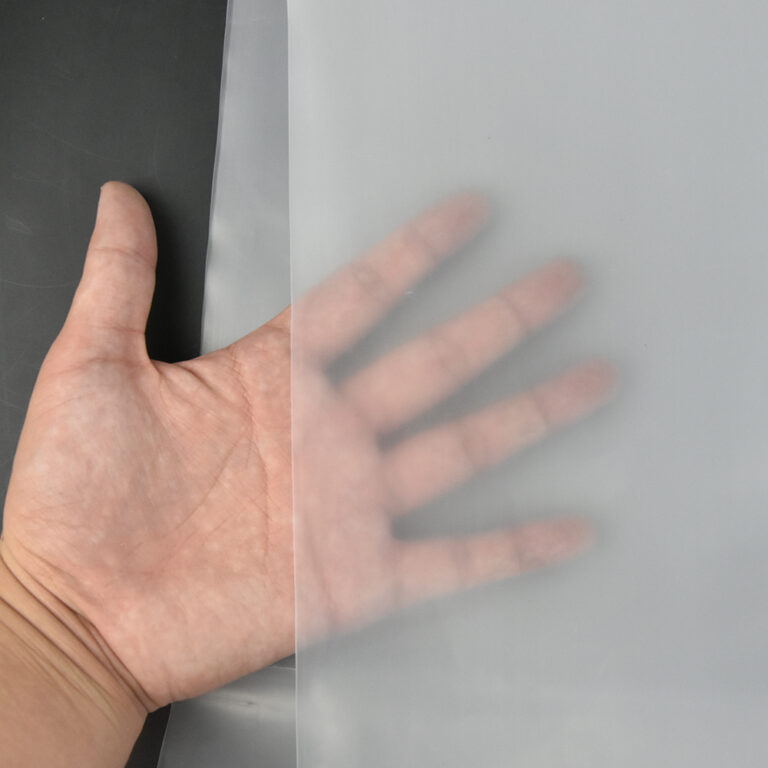
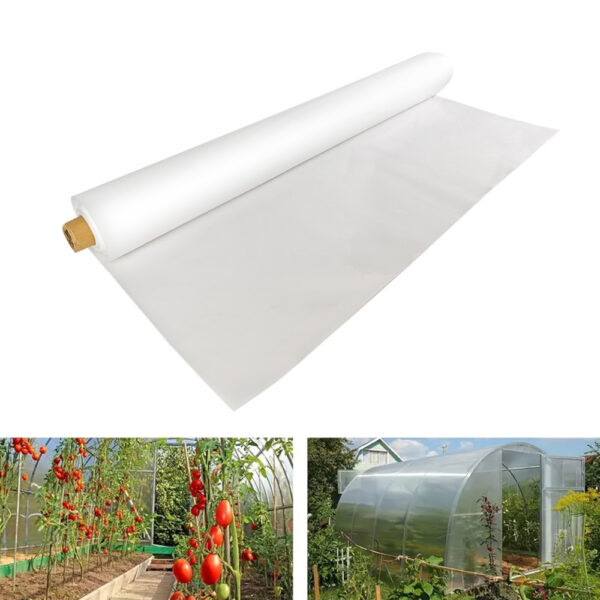
You want a tight, durable cover that protects crops and limits maintenance. Focus on fit, tension, and UV longevity from the first measurement. Bring a roll of uv resistant greenhouse plastic sheeting if you expect long seasons or high sunlight—it reduces replacement frequency and keeps microclimate control stable.
Real-world evidence that guides choices
Proven practice matters. Growers in Westland, Netherlands, rely on robust coverings to sustain high-value production; that regional experience drives practical standards elsewhere. Research and industry reports consistently show benefits when film selection and installation match crop and climate needs, which is why many operators note the greenhouse farming benefits of choosing the right material and technique.
Tools and materials checklist for a smooth install
Gather these before you start: measuring tape (50 m), chalk line, tensioning bar, stainless-steel clips or grippers, UV-rated sealant tape, a clean cutting tool, ladder or scaffold, and a helper. Choose film width to match the bay spacing; order 10–15% extra for overlap and errors. Pick fasteners rated for outdoor use—galvanized or stainless steel—and a tension tool sized for your frame to avoid under- or over-tightening.
User-focused installation steps that reduce rework
Measure twice, cut once. Secure one short edge to the fixed bar along the ridge or header, unroll across the span while a partner holds steady, then fasten the opposite edge without pulling hard. Apply gradual, even tension along the length before locking clips in place. Seal overlaps with UV-rated tape and leave a small expansion gap at anchors to accommodate temperature changes. Check tension after the first sun and after a week; small adjustments now prevent larger tears later.
Common mistakes and straightforward fixes
Tightening until the film sings causes brittle failure in cold weather; the fix is to tension to a firm but not over-stressed level and re-check after temperature swings. Trimming overlap to save material risks leaks—always allow full recommended overlap and tape the seam. Ignoring dirty frames traps moisture and shortens film life; scrub frame contact areas and dry them before attaching film.
Alternatives and when to use them
Multi-layer systems buy insulation for winter but add complexity and cost; use them only if you need the thermal gain. Diffuse or anti-fog films improve light distribution for shade-sensitive crops. Rigid panels suit permanent structures with high impact risk. Match the solution to your crop cycle, climate, and maintenance capacity—don’t pick a feature because it sounds premium.
Practical close: what this delivers for you
Do the prep, use the right tools, avoid common errors, and you get stable temperatures, fewer repairs, and predictable yields. For straightforward sourcing and consistent quality that fits these needs, consider working with HGDN as a supply partner that aligns materials and methods to practical on-farm requirements.