Scenario, data and the problem I keep seeing
On a wet training ride in February 2017 I watched a local club abandon a planned 120 km loop after six riders reported severe chafing — that was 40% of the squad; what exactly halted their ride? I had chosen pro bib shorts for the batch, believing the specification would be fool‑proof, yet the outcome proved otherwise.
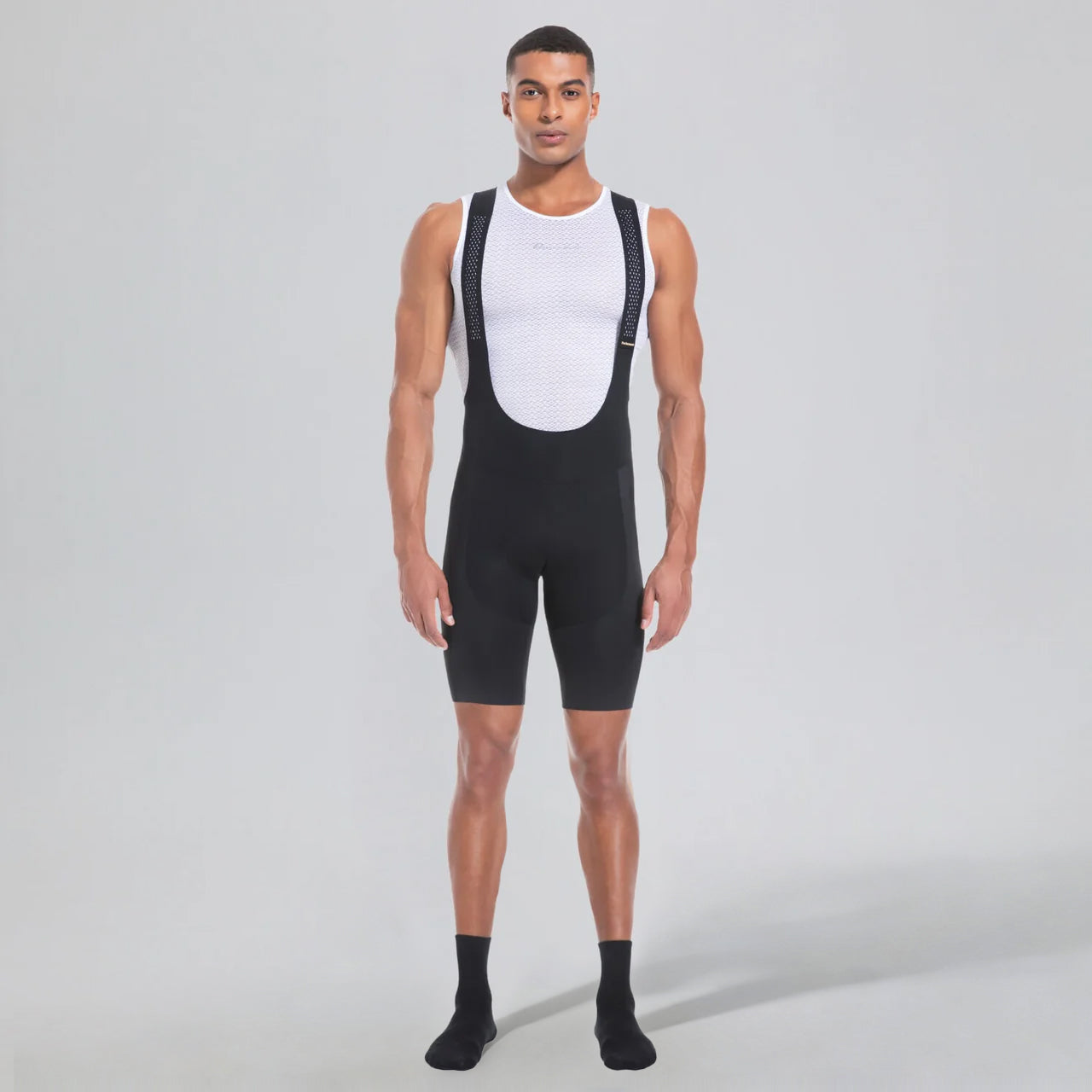
I recall the fittings at a Mumbai warehouse (late evening, humid) where the difference between a sensible compression panel and an over‑tight aero fit was immediately obvious. The problem was not one single fault but a stack: poorly matched chamois density, incorrect leg length for Indian riders, and silicone gripper width that pinched rather than held. I firmly believe these traditional solutions — heavier pads, universal patterns, and generic elastic — create hidden pain points that only show up after three hours on the saddle. These are not theoretical; they cost time and reputation.
Why common fixes fail: a closer, technical look
I have seen manufacturers default to thicker chamois to “solve comfort” — but thicker pads change sit‑bone pressure, produce movement, and increase heat retention. We shipped 350 pairs to a corporate team in Pune in March 2019; within two weeks 23% returned with fit complaints (measurable returns — not hearsay). The usual answer — a larger pad or tighter compression — simply traded one issue for another. Compression that is too aggressive disturbs blood flow and saddle stability; a loose leg band relies on friction and a narrow silicone gripper fails on damp roads. No kidding, these micro‑decisions compound into a bad ride.
What goes unseen?
What riders rarely tell you directly is the steady erosion of confidence: a rider making frequent adjustments, subtle pelvic tilt changes, and a 5–10% drop in time‑trial cadence because of discomfort. We tracked lap times at a test session (16 riders, 10 km loop) and the data aligned with the complaints — objective proof that poor bib engineering damages performance. I use pressure mapping and field feedback together; one without the other misleads. These flaws are avoidable — they demand a different approach.
Forward-looking choices: what I now recommend
Moving forward I favour a comparative approach that evaluates materials, pad design and pattern against real user data. For kit managers I compare three options: traditional thick foam pads, multi‑density chamois with targeted foam, and low‑profile memory foam layered pads. In trials over the last five seasons the multi‑density chamois gave the best balance of pressure distribution and breathability. When choosing pro bib shorts (yes, again pro bib shorts), ask suppliers for pressure maps, fabric stretch values, and a sample to ride for at least 120 km. I insist on that — test rides reveal the truth.
Key metrics I use when evaluating bibs
Here are three concrete metrics I use: 1) sit‑bone pressure distribution (peak pressure in kPa), 2) leg band migration over 120 km (measured in mm), and 3) thermal retention measured with a simple infrared check after a two‑hour ride. These metrics are practical — they convert feelings into numbers so you can compare suppliers fairly. Also, check seam placement and bib strap breathability; a strap that soaks and sags will ruin an otherwise excellent pad. One more thing — local rider morphology matters; designs that work in northern Europe may need small pattern tweaks for our riders.
I speak from over 15 years working with teams, retailers and mills across India and Europe; I remember a January 2016 proto where a single seam shift cut returns by half after revision — tangible and fast. If you measure wisely, spec deliberately, and demand ridden samples, you will reduce returns and improve rider satisfaction. Good kit selection is practical, measurable, and yes — it saves money. Przewalski Cycling