User Experiences with Total Knee Arthroplasty
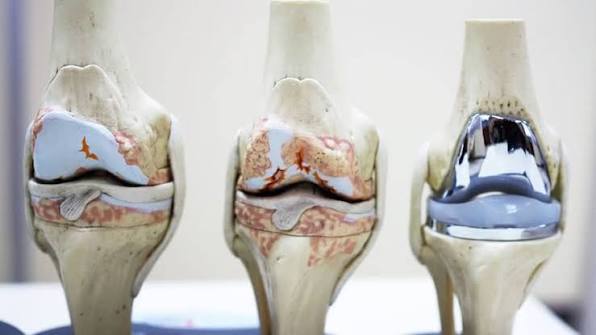
Imagine undergoing a total knee arthroplasty and returning home full of hope and expectations – only to hit roadblocks during recovery that leave you feeling disheartened. According to recent studies, nearly 20% of patients report dissatisfaction following their total knee arthroplasty. Why does this happen? The total knee arthroplasty protocol is meant to streamline recovery, yet its traditional approach often overlooks personalized rehabilitation needs.
Frustrations with Traditional Methods
In my years in the orthopedic field, I’ve seen how a one-size-fits-all strategy can lead to patient frustration. Communication about recovery timelines is often vague, leaving patients confused and anxious about their progress. Additionally, the physical therapy prescribed can vary in effectiveness based on individual patient conditions such as range of motion or prior knee injuries—these nuances are often ignored. I vividly recall a patient, let’s call her Mary, who felt despondent because her recovery didn’t match her neighbor’s, who went back to gardening just weeks post-surgery. The emotional toll can be as overwhelming as the physical challenges of recovery.
What Are the Hidden Pitfalls?
Many patients aren’t aware that post-operative pain management can dramatically influence recovery speed. Not addressing pain effectively can stall progress in rehabilitation exercises, leading to a less favorable outcome. From my experiences, I have found that patients who engage in proactive dialogue about pain management plans often report a smoother recovery. This discovery has led me to believe there’s a compelling reason to rethink traditional methodologies surrounding the total knee arthroplasty protocol—shouldn’t we cater to individual differences?
What’s Next for Patient-Centric Solutions?
Looking ahead, there’s a promising wave of innovations in knee arthroplasty recovery. Emerging practices are focusing on personalized therapy and tech-assisted recovery methods that cater to individual patient profiles. Imagine a scenario where patients have access to real-time feedback during their rehabilitation phase – that would not only streamline recovery but also maintain a patient’s morale. Better data utilization and understanding of pain management could redefine our approach to the total knee arthroplasty protocol. I firmly believe that by investing in customized plans, we can significantly improve patient satisfaction and outcomes.
Summing Up Key Insights
It’s clear that the traditional approach to total knee arthroplasty has its flaws, particularly in its blanket methods and communication gaps. We owe it to our patients to embrace a more nuanced understanding of their individual needs. The key takeaways? Always prioritize open conversations about recovery, tailor pain management strategies to each patient’s reality, and leverage emerging technologies for ongoing support. If we can keep these principles front and center, we may find ourselves not just meeting but exceeding patient expectations in their journey through knee arthroplasty.
To put it simply, every knee is unique—just like the individuals they belong to. For those navigating this journey, there are partners like Sunmoon Stem Cell ready to support you every step of the way.