Introduction
I was sitting in a small clinic in Cape Town, watching a nurse line up LED panels while a patient joked about coming for a quick boost between a braai and work. The scene felt ordinary, yet the stats are striking: clinics that track outcomes report a 30–40% higher follow-up rate when they log treatment parameters. For a red light therapy company this matters — patients return when they see steady gains. (Lekker to see results, hey?)

Here’s the scenario: clinics use different devices, with varied wavelength settings and patchy follow-up. The data say some users feel better fast, others not at all. So what separates a device that builds trust from one that just gathers dust on a shelf? I’m going to walk through the quiet differences—simple technical points and real user feelings—and show why small choices matter for long-term outcomes. Let’s move into what’s actually going on under the lamp.
Hidden Flaws and User Pain Points in Infrared Treatment
When I dig into why people stop coming back, the answers are often technical but human. The core equipment—like an infrared red light bed—can look impressive, yet it may fail on basics: inconsistent irradiance, misaligned LED arrays, or cheap power converters that cut output short. These faults aren’t just numbers on a spec sheet. They translate into sessions that feel different each visit. Patients notice. We notice. It erodes trust.
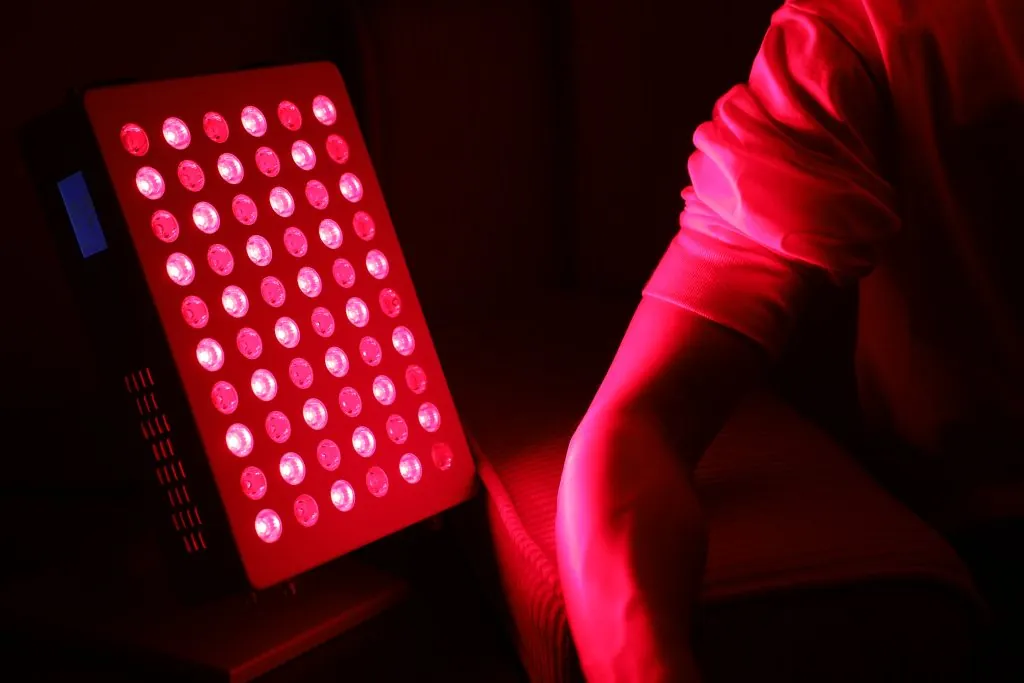
Why does that happen? Manufacturers chase low cost or flashy design and skip real-world testing. Photobiomodulation needs regular, repeatable dose. If a clinic doesn’t measure wavelength and irradiance, they’re guessing. Look, it’s simpler than you think—consistent output beats a fanciful app every time. Also, hidden pain: training gaps. Staff may not set pulse or distance right, so results vary. I’ve seen clients who tried three different beds in six months—frustrating. — funny how that works, right?
Why should I care?
Because people form opinions fast. If the first few sessions feel off, they don’t come back. That’s a failure in design and in user experience. Fix the basics—stable power converters, tested LED arrays, clear dosing guides—and you solve half the problem. The rest is communication: explain wavelength choices, log treatments, and keep patients in the loop. Small practical shifts make big trust gains.
Looking Forward: Principles and Practical Steps for Better Outcomes
So where do we go from here? I favour a principles-first approach. Start with measurable parameters: set the wavelength, confirm irradiance, and document photobiomodulation dose per session. When clinics adopt these standards they stop guessing. New control electronics can stabilise output, and simple user interfaces reduce operator error. The infrared red light bed becomes not just a device but a reliable tool. That’s the change we should aim for.
In practical terms, I recommend three evaluation metrics when choosing kit or partners: reproducible irradiance (readings across sessions), clear wavelength specs (and why they matter), and reliable power electronics (no drift). Measure these, and you’ll see follow-up and outcomes improve—no hype, just better care. Also, train staff. A great device still needs a thoughtful person to run it. — no joke.
What’s Next?
We should push for simple transparency. Share dose logs with patients. Use basic photobiomodulation language that people understand. I’ve seen that when teams commit to these steps, confidence grows and clinics become referral machines. That’s how a red light therapy company earns its place in routines—steady, practical, and respectful of users’ time and money.
In short: look for devices and partners that prioritise consistent output, verified wavelength choices, and solid power systems. Ask for demos, insist on dose logs, and train the team. These are not sexy, but they work. If you keep those three metrics front of mind, you’ll avoid the common traps and deliver real results for people who trust you with their health. For vendors and clinics building a long-term practice, I recommend starting small, measuring often, and choosing partners who back their specs—like we wish everyone would. For more on practical deployment and reliable hardware, check out Magique Power.