Introduction: Two Lines, One Choice
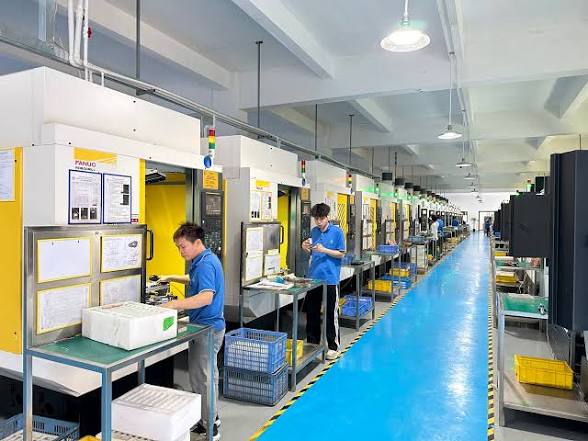
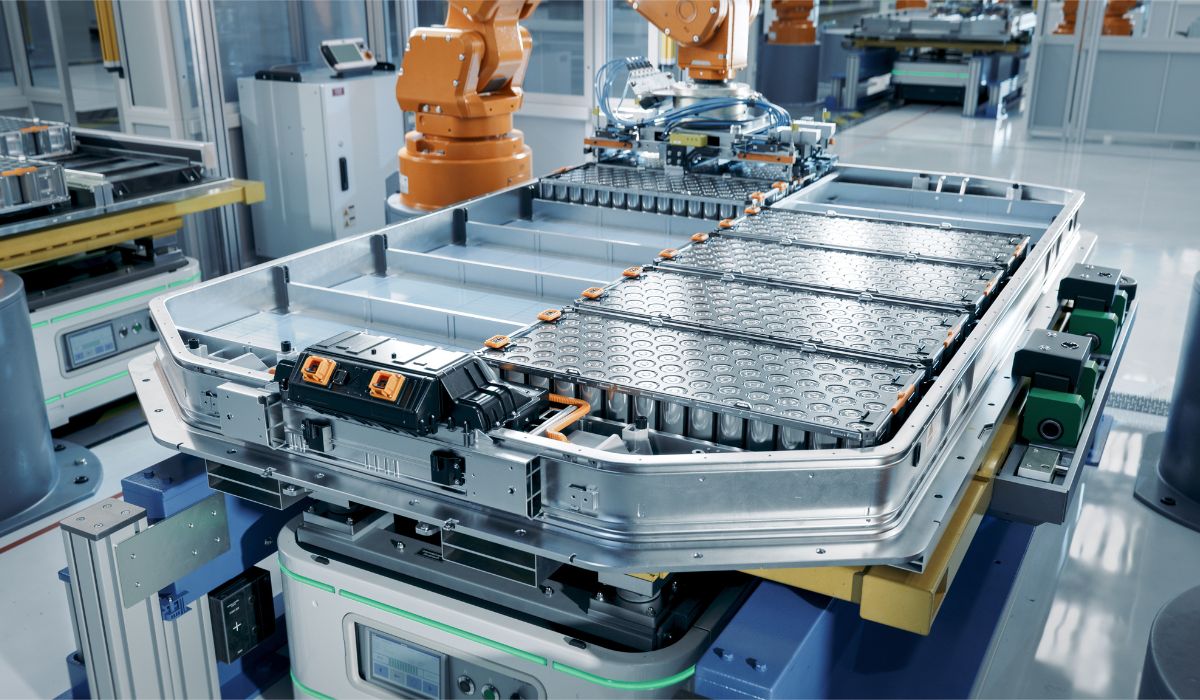
At dawn, a plant floor hums like a low tide, and a manager stands between two long corridors of steel. The lithium battery production line stretches, bright and severe, where heat and rhythm make their pact. One line runs fast but wastes power; the other runs steady yet leaves scrap in quiet piles. A recent audit says 12% scrap on high-volume runs, 18% energy loss at peak draw. Dry room humidity swings by a whisper, and costs spike. So which path is wiser when the margins are thin and the promise is vast—funny how that works, right?
I share this because small choices in calendering, coating, and laser tab welding cascade into big outcomes. The arithmetic is simple; the story is not. You balance yield, uptime, and safety, while new buyers keep asking for faster ramp. And you ask: what matters more—the line that sprints or the line that endures? (Both can win, yet not for the same reason.) Let’s compare what looks similar on the surface but diverges in the details, and trace the quiet levers that change the game. Now, let’s step closer to the real sticking points.
Hidden Breakpoints Behind the Shine
Where do small losses hide?
The battery production line china debate often focuses on unit cost and scale, but the trap sits deeper. In legacy setups, the MES catches alarms after the fact, not at the edge. That means defects drift past the camera and into forming and aging before anyone notices. Look, it’s simpler than you think: without edge computing nodes watching coil tension and slurry viscosity in real time, you pay for late alarms with early scrap. SPC lives in a dashboard, not on the machine; power converters switch hard at peak, spiking the bill and heating the room. The dry room tries to keep up, but dew point wobbles, and yield slips in small bites.
Then there is the human pattern. Operators carry tacit know-how, but it is not codified into recipes with tight guardbands. Changeover adds minutes that become hours by month’s end. Maintenance runs by calendar, not condition. When calender rolls drift, the fix comes after the drift has cost you. And the data? It’s there, but siloed—trend lines that never meet. Results look stable on paper, yet variance hides in shift-to-shift handoffs. The pain is not drama; it’s attrition. Soft faults, slow drifts, quiet overshoot. They don’t shout; they erode. — and yes, it matters.
Comparative Moves for the Next Wave
What’s Next
Forward-looking lines trade blunt force for tuned control. Instead of chasing alarms, they shape the process upstream. New control loops bring sensor fusion to the coater head, so tension, viscosity, and web speed move as one. Edge analytics push quick decisions to the tool; the MES becomes a conductor, not a traffic cop. A digital twin tests recipe changes before copper meets slurry, reducing risk and setup waste. When the DC bus ties to smarter power converters, the line sips during lulls and shares during peaks—less heat, less spend, more calm in the dry room. In short, we compare not old versus new, but reactive versus predictive. The promise of an upgraded lithium ion battery production line is not gear for gear; it is orchestration for flow.
Real gains show up as steadier calender pressure, cleaner laser tabs, tighter electrolyte filling windows, and fewer surprises in formation. The earlier sections warned about silent drift; here the counter is tight telemetry and small, fast nudges. Summarize it like this: see sooner, correct smaller, learn faster—funny how the best wins feel quiet. If you need a quick compass, use three metrics when you compare solutions: 1) defect parts per million from coating to pack, traced by lot and shift; 2) kWh per GWh output, including dry room and rework energy; 3) OEE with changeover time and dew point stability folded in. Choose vendors who expose data, not just dashboards; who prove control bandwidth, not just cycle time. And when in doubt, run a pilot on a thin slice and measure deltas over two weeks. The story writes itself when the graphs flatten in the right places. Learn, iterate, then scale—with a steady hand and open logs. KATOP