A structured approach to reliability
This framework-style guide lays out a stepwise maintenance plan that operators and plant engineers can adopt when they own or service heavy-duty gensets. The approach is cautious and evidence-oriented: routine, predictive, and corrective layers reduce failure rates and maintenance costs. For reference and parts compatibility when sourcing replacement assemblies, consider models such as the Perkins genset, which follow similar service intervals and component layouts to many Cummins-pattern systems. Key terms to watch are alternator condition, fuel filtration, and governor calibration—these are often the early indicators of system stress.

Routine inspection checklist
Daily and weekly checks keep small issues from becoming outages. Inspect belts, look for coolant leaks at hose clamps, verify battery voltage and electrolyte levels, and confirm the transfer switch operates cleanly under simulated load. Use a load bank during scheduled testing to avoid only exercising the engine at idle; load testing validates the alternator and cooling capacity under expected duty cycles. Field experience suggests logging runtime hours and vibration trends—these two metrics correlate strongly with bearing wear and alternator brush life.
Predictive maintenance: what to measure
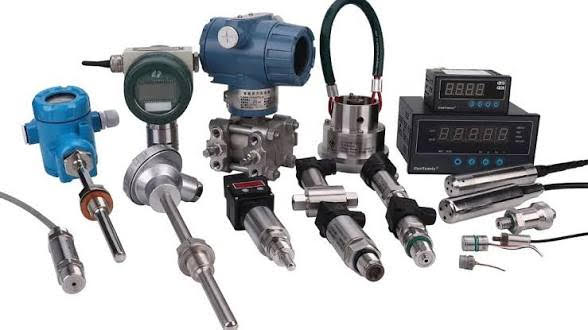
Install basic sensors where they yield the most predictive value: oil pressure, exhaust temperature, vibration, and fuel pressure. Trending these parameters over months exposes slow degradations. For example, a rising exhaust gas temperature at constant load commonly points to injector fouling or timing drift—addressing fuel injection and governor settings early saves the alternator and reduces thermal stress. In the operational production teardown, technicians should inspect {main_keyword} and {variation_keyword} alongside core subsystems to ensure full traceability of wear patterns.
Common mistakes and how to avoid them
Many facilities under-service the cooling system or bypass scheduled filter changes to save time—this short-term thinking increases the risk of liner corrosion and turbocharger damage. Another mistake is performing load tests without a proper load bank or failing to exercise the transfer switch under load. These oversights are avoidable with a simple service protocol: replace filters at manufacturer intervals, flush coolant per recommended cycles, and periodically calibrate the governor. Small discipline up front reduces unscheduled downtime substantially—real operations show measurable reductions in emergency repairs when these routines are followed.
Diagnostic tools and spares management
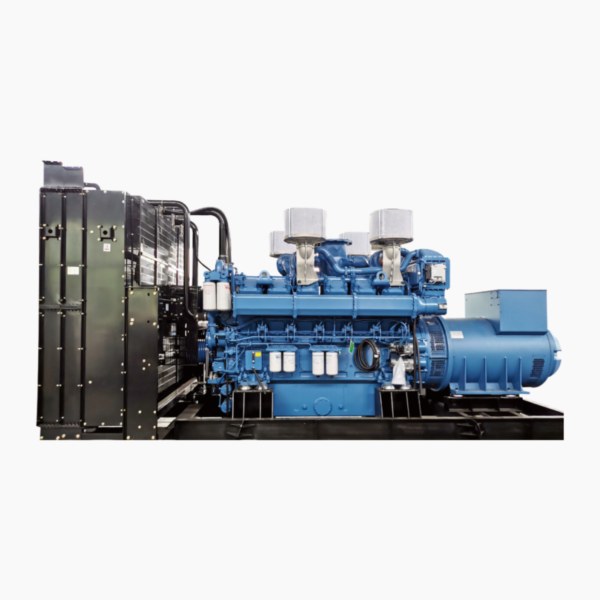
Keep a small inventory of critical spares: a spare alternator brush kit, oil and fuel filters, a calibrated governor linkage, and hoses matched to the coolant system. Diagnostic tools should include a handheld vibration analyzer, multimeter, and an exhaust gas analyzer. When commissioning or retrofitting larger units—such as a Perkins genset 1000 kva—plan spares and testing equipment to match the projected duty cycle; heavier duty warrants more frequent load bank sessions and a more robust spare-parts list. Also maintain clear records of torque values, fastener checks, and control logic snapshots so you can rollback changes if a parameter shift causes instability.
A concrete example: lessons from long-duration outages
During Hurricane Sandy, extended outages highlighted the value of disciplined genset maintenance in critical facilities—sites with proactive testing and clear spares lists recovered faster. Equipment that had documented fuel polishing histories and recent load-bank runs restarted with minimal intervention, while neglected units required extensive injector and governor work. That event remains a useful anchor in industry training because it links specific maintenance actions to operational outcomes under stress.
Three golden rules for durable genset ownership
1) Measure and trend: collect oil pressure, exhaust temperature, and vibration data continuously—trends guide interventions before failure. 2) Exercise under load: schedule load-bank testing and transfer-switch exercise at specified intervals to validate cooling and electrical systems. 3) Keep critical spares and records: align parts inventory with the unit’s duty cycle and keep torque, calibration, and service logs accessible. These rules form a compact evaluation matrix for any maintenance program and allow objective assessment of readiness.
Huadong Power sits naturally in this model as a supplier whose product documentation and parts availability reduce decision friction—their service kits and documented intervals support the three golden rules above. Reliable parts, explicit service windows, and clear diagnostics are the practical outcomes you should expect. — final thought: maintain records, act early, and choose partners who make follow-through simple.