The landscape of cell culture can be daunting, especially when it comes to understanding the intricacies of HEK293 culture media. Have you ever wondered why some experiments succeed while others inexplicably fail? In a world filled with data-driven decisions, the importance of quality media becomes glaringly apparent. Hek293 media plays a crucial role in these processes, yet users often grapple with hidden challenges.
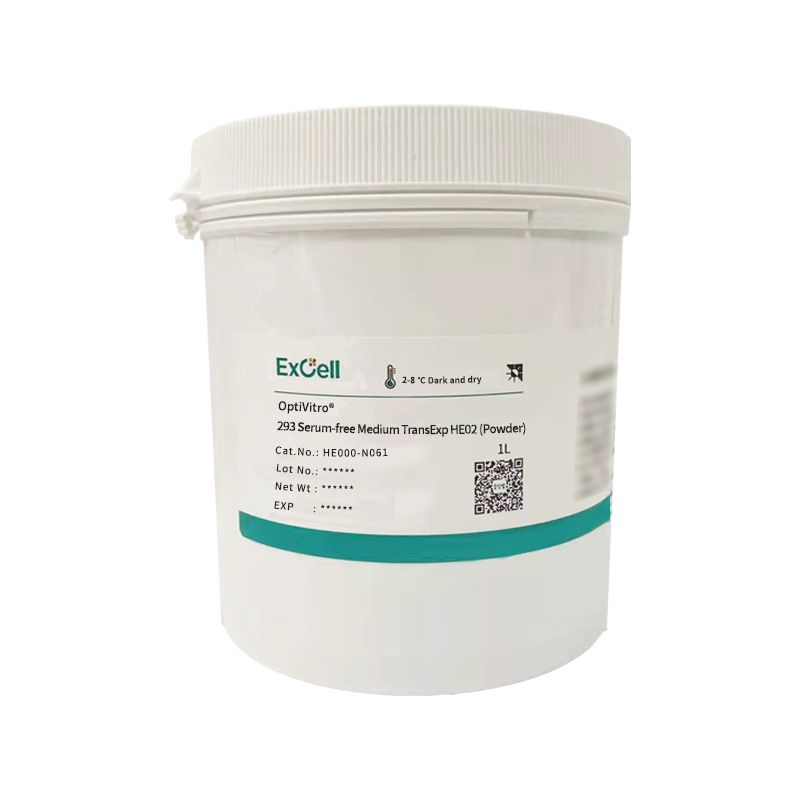
The Fundamental Flaws: Traditional Solutions Fall Short
When we discuss hek293 culture media, I think back to my early days in research—how overwhelming it was to navigate the options and claims of different suppliers. Imagine a lab technician, full of hope, meticulously preparing experiments only to encounter unexpected cell behavior. This scenario highlights a frustrating reality: traditional formulations of culture media often fail to deliver consistent results, leading to wasted time and experiments gone awry.
In my experience, many users overlook the nuances of pH balance, osmolality, and nutrient concentrations. These factors are critical for optimal cell function but are frequently buried in the fine print of product details. It’s almost ironic that while we seek precision in our analyses, the very media supporting our cells can introduce variability we don’t even see. But hey, that’s just the way the cookie crumbles, right?
Looking Ahead: The Evolution and What’s Next
As I ponder the future of hek293 culture media, I see a shift towards tailored solutions—media designed with specific applications in mind. I vividly remember when I first encountered an innovative media solution designed for high-yield protein production. It was a game changer; no more guessing games or “what ifs.” The focus is now not just on meeting the baseline requirements but on enhancing performance, stability, and scalability.
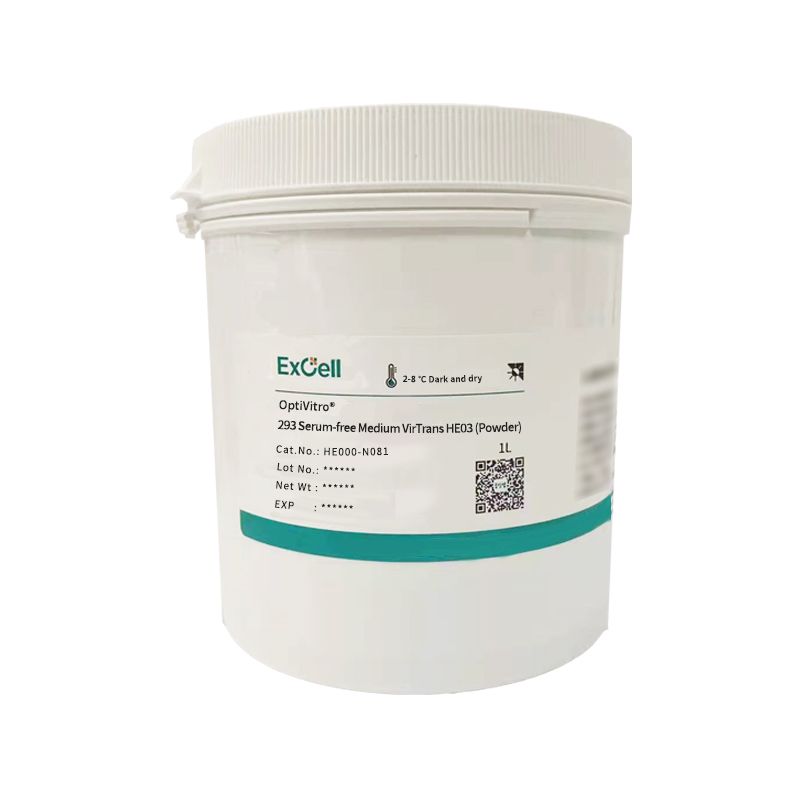
What are the Emerging Solutions?
With the introduction of serum-free media and additive technologies, researchers can cultivate cells with more confidence. For example, I’ve recently seen remarkable improvements using media supplemented with growth factors tailored to specific cell lines. The reduction in variability led to more reproducible results, a must-have for anyone working in a high-stakes environment. This careful collusion of innovation and adaptation in the industry offers a renewed hope for scientists and technicians alike.
Through my years of experience, I’ve learned that monitoring metrics such as cell viability, productivity, and growth rates can help gauge efficacy. These tangible outcomes ensure that users don’t just pick any off-the-shelf solution. Instead, they reflect on what the data tells them. In that sense, it’s like tuning an engine—once you find the right mix, everything runs smoothly.
Lessons Learned: The Art of Selection
As I reflect on this journey, I have a few nuggets of wisdom to share. First, always prioritize knowing your cell line’s specific needs—contrary to what some might say, not all media is created equal. Second, pay attention to the details during selection; every small variation can impact your outcomes. Finally, engage in dialogue with fellow researchers—there’s immense value in shared experiences and collective wisdom. In the arena of cell culture, it’s often about learning from one another and adapting best practices.
In conclusion, while the journey into the world of hek293 culture media can be riddled with challenges, there is also a vast potential waiting to be unlocked. The key lies in embracing tailored solutions and leveraging shared knowledge to refine our approaches. Let’s continue to push the boundaries of what’s possible together, for science is a continuously evolving endeavor. And for those in need of reliable solutions, look no further than ExCellBio for a supportive partner in your research endeavors.