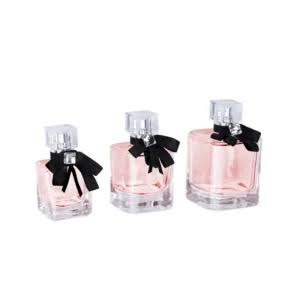
First Impressions, Lasting Geometry
You walk into a shop after a long day and reach for the bottle that looks most stable on the shelf. In that blink, your eyes often land on square perfume bottles. A retail audit last winter showed that shape can sway up to 57% of first picks, while shelf density improved by about 18% when straight-sided bottles were used (less dead space between items). Yet returns rose when caps wobbled or corners chipped—small things, big effects. So, are we choosing shape for the right reasons, or are we trading comfort for hidden costs? The truth sits at the edges, literally.
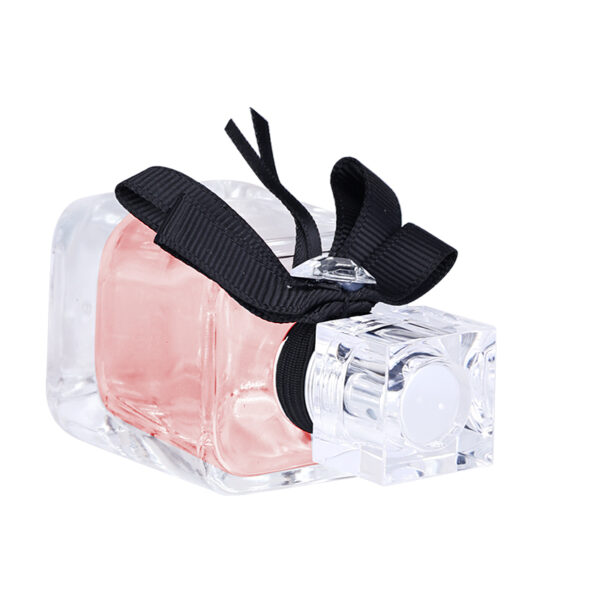
In Nepal, we prefer steady choices and clear value—la, no drama. But packaging is not only about looks; it is about hand feel, spray quality, and transport safety. Does the square form solve more problems than it creates, or does it shift the pain elsewhere? Let us trace the clues from shelf to shipment, then back to the user’s palm. Next, we will go one layer deeper to see where the square form shines and where it struggles, quietly.
Angles Under Pressure: The Hidden Pain Points
What keeps the corners from chipping?
When we talk about a square glass perfume bottle, the shape looks simple, but the stress map is not. Sharp corners can concentrate impact energy, especially during a drop test. If the mold tolerance is tight but the annealing line is not tuned, micro-stress stays in the 90-degree zones. That is why a flawless surface still chips at the corner—funny how that works, right? Look, it’s simpler than you think: uniform wall thickness, controlled cooling, and a small corner radius reduce break risk. Yet some traditional fills target speed, not stability, so heat gradients sneak in and weaken those edges.
There is more. A square profile shifts how the cap and pump sit. If the neck finish is even a fraction off, the atomizer pump can spray slightly sideways, and users blame the fragrance. The flat sides also highlight any label skew, making minor misalignment look major. When the bottle is heavier at the shoulder, hand fatigue rises for small wrists. A good torque test for the cap helps, but if the stack-up—bottle, collar, pump—was not planned for a square body, wobble appears over time. These are small pains that do not shout in the store, yet they cost trust at home. Onward, let us see what new methods can change this balance.
Next-Gen Geometry: Principles That Fix the Trade-offs
What’s Next
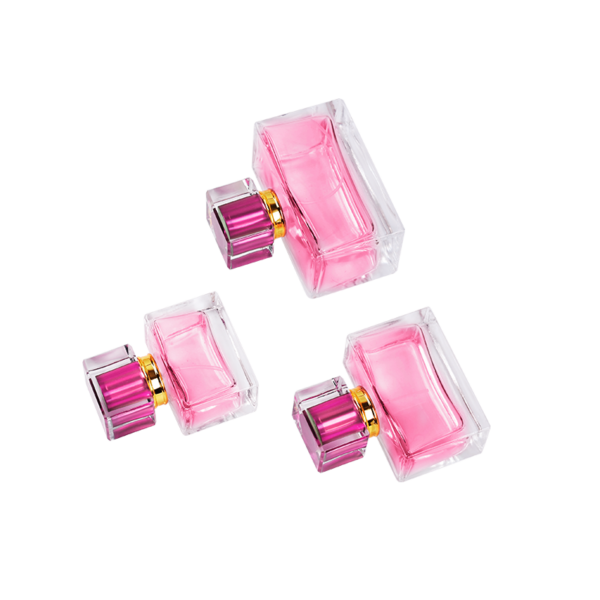
Here is the forward look. Tooling teams now use digital simulation to test stress before making steel. Simple FEA-style checks can guide corner radius, wall taper, and gate placement. Hot-end coating improves scratch resistance, while post-cure controls smooth out residual stress. In transport, modular inserts reduce rattle without raising cost. For buyers comparing options like square perfume glass bottles wholesale, this means fewer break claims and cleaner label lines—over thousands of units, not just one photo sample. And yes, sustainability matters: using PCR glass with a tuned anneal schedule can keep strength close to virgin material. Small shifts, big wins—no magic, only method.
What does this mean in practice? Semi-matte UV coating hides small scuffs; precision neck forming reduces pump tilt; and standardized collars cut cap wobble. Lead time can drop when molds share inserts between sizes (30 ml, 50 ml, 100 ml), which trims MOQ risk. The big takeaway is balance: refine the corners and the process, and the square form stops trading style for stress. To choose better, apply three checks: first, measure dimensional accuracy at the neck and shoulder (± tolerance visible in QC). Second, check spray consistency across five pulls with the same atomizer pump. Third, confirm total landed cost per unit at your MOQ, including packaging that passes a realistic drop test. With these, the shape serves the scent, not the other way round—and the customer smiles at the first spray, and the fiftieth. For more grounded details and component fits done right, you may refer to NAVI Packaging.